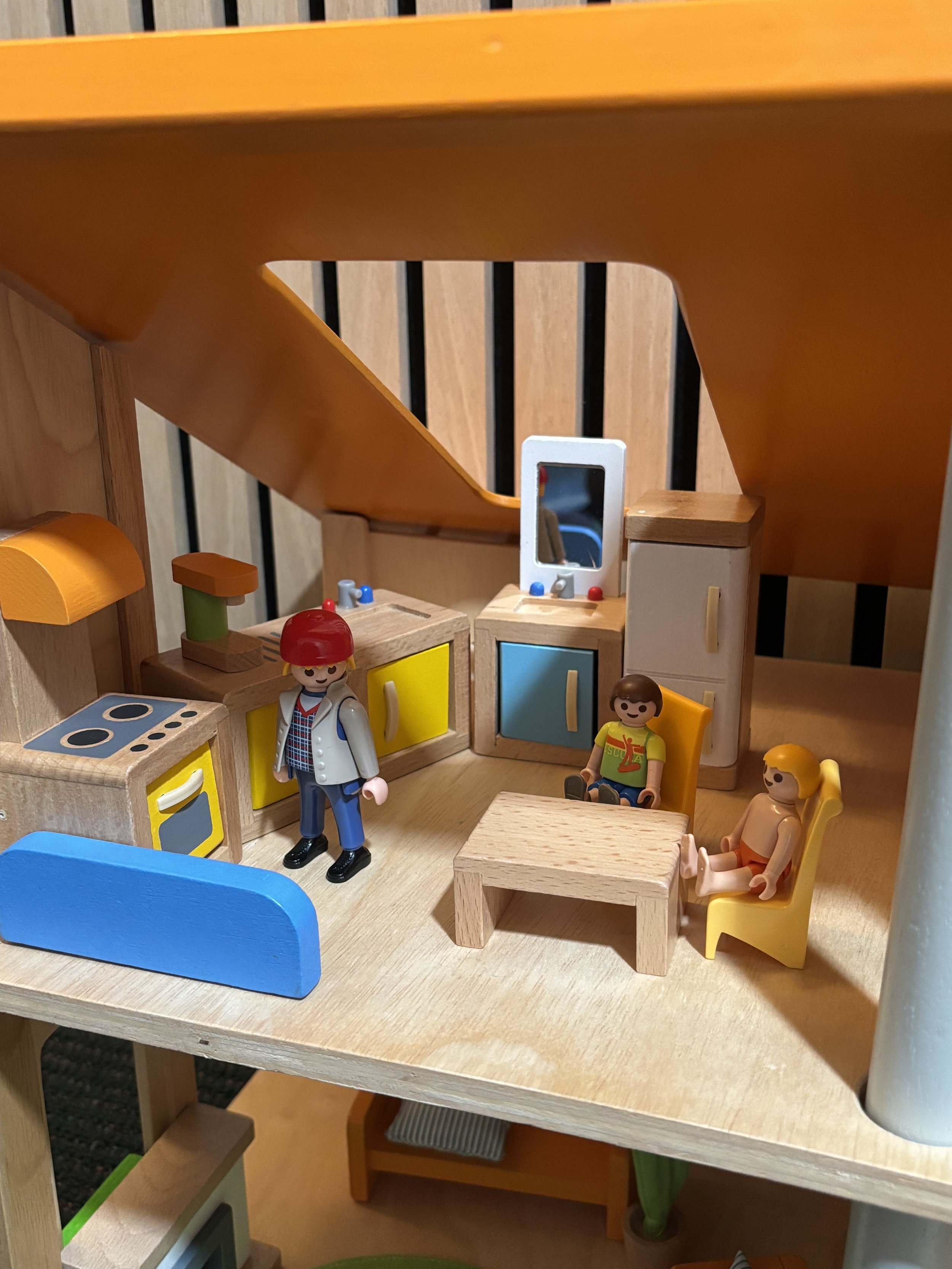
How Play Therapy Helps Children Ages 5-12
As parents, you want your child(ren) to be happy, confident, and emotionally healthy—but sometimes kids struggle or experience life in ways they can’t easily explain. Big feelings, behaviour changes, anxiety, or challenges at school can leave parents wondering: How can I help my child when they don’t have the words to tell me what’s wrong?
This is where play therapy can be incredibly powerful.
What Is Play Therapy?
Play therapy is a form of counseling specifically designed for children, typically ages 5–12. Instead of relying on conversation alone (which can be hard for kids), therapists use play, art, games, bubbles, storytelling, puppets, sand tray, and creative activities to help children express their thoughts and emotions in a natural, developmentally appropriate way.
For children, play is not “just play”—it’s how they communicate, process experiences, and make sense of the world. The founder of Child-Centred Play Therapy (a non-directive approach to therapy) believes “Toys are a child’s words and play is their language” - Garry Landreth.
Why Play Works Better Than Talking for Kids
Adults often work through problems by talking. Children, especially younger ones, don’t yet have the emotional vocabulary or self-awareness to do that - behaviour is their main form of communication. Play therapy meets kids where they are.
Through play, children can:
Express feelings they don’t know how to name
Work through fears, worries, or past experiences
Practice problem-solving and coping skills
Feel safe, understood, and in control
The play therapist is trained to observe patterns, themes, and behaviors in play and gently guide the child toward healing and growth.
Common Reasons Parents Seek Play Therapy
Play therapy can help with a wide range of emotional, behavioral, and developmental challenges, including:
Anxiety, excessive worry or seeking constant reassurance from adults
Big emotions, tantrums, or emotional outbursts
Difficulty with attention or impulse control
Social struggles or low self-esteem
Grief or loss
Family changes such as divorce, moving, or a new sibling
Trauma or stressful experiences
School refusal or academic stress
Even if a child can’t clearly explain what’s bothering them, play therapy can uncover and address underlying concerns.
Key Benefits of Play Therapy for Children
1. Helps Children Express Feelings Safely
Play therapy gives children a safe, non-judgmental space to express emotions like anger, sadness, fear, or confusion—without pressure to “say the right thing.”
2. Builds Emotional Awareness and Regulation
Through guided play and co-regulation from the therapist, children learn to recognize their feelings and develop healthier ways to express and cope with them.
3. Improves Behavior by Addressing Root Causes
Rather than focusing only on behavior, play therapy looks at why a child is acting a certain way. When emotional needs are met, behavior often improves naturally. For example, a child’s inner experience may be a felt sense of unbelonging, feeling misunderstood, lack of control or certainty, or inadequacy.
4. Strengthens Self-Confidence and Resilience
As children feel understood and successful in therapy, they build confidence, problem-solving skills, and resilience they can use at home and school. Dr Ross Greene from Collaborative Proactive Solutions believes “Kids do well if they can” - in play therapy, therapists are trained to notice and empower a sense of mastery and self-confidence in the child’s ability to tolerate frustration and disappointment in themselves or others paired with resilience skills to problem solve and keep trying in the face of hardship.
5. Enhances Social Skills and Relationships
Play therapy helps kids practice communication, empathy, cooperation, and boundary-setting—skills that improve relationships with peers, siblings, and adults.
6. Supports Healthy Development
For children ages 5–12, play therapy aligns with their cognitive and emotional development, supporting growth during a critical stage of life.
What Parents Can Expect from the Process
Parents are an important part of play therapy. While sessions are primarily focused on the child, therapists often:
Meet with parents regularly for updates
Provide guidance on supporting your child at home
Help you understand your child’s emotional world
Offer strategies to strengthen family relationships
You won’t be left in the dark—and you don’t have to have all the answers.
How Long Does Play Therapy Take?
Every child is different. Some children show improvement in a few months, while others benefit from longer-term support. Progress depends on factors like the child’s needs, consistency of sessions, and support at home.
The goal isn’t to “fix” a child—it’s to help them grow, heal, and develop tools.
Is Play Therapy Right for My Child?
If your child seems overwhelmed, withdrawn, anxious, or stuck in challenging patterns—and traditional conversations aren’t helping—play therapy may be a wonderful option.
Seeking support doesn’t mean something is “wrong.” It means you’re giving your child the gift of emotional understanding and healthy coping skills.
Final Thoughts
Children don’t always need the right words—they need the right space.
Play therapy provides that space, allowing kids to express themselves, process experiences, and develop emotional strength in a way that feels natural and safe. For many families, it becomes a turning point toward greater connection, understanding, and peace at home.
If you’re considering play therapy or have more questions, please reach out to schedule a free 15 - minute consultation to see if my style and approach might be a good fit for your child/family.